The XRP Ledger (XRPL) is gaining renewed attention as a wave of new projects begins to emerge across the network. Developers are increasingly exploring the blockchain’s capabilities, launching applications that range from decentralized finance (DeFi) tools to tokenization platforms.
This growing activity suggests that developer interest in the XRP ecosystem is expanding, a trend that could strengthen the network’s long-term adoption and utility.
As blockchain innovation accelerates across the crypto industry, the XRP Ledger appears to be positioning itself as an increasingly attractive platform for developers building next-generation financial applications.
What Is the XRP Ledger?
The XRP Ledger is a decentralized blockchain originally developed to support fast and low-cost global payments.
Unlike many traditional blockchains, XRPL focuses on efficiency, scalability, and enterprise-friendly infrastructure. Transactions on the network typically settle within seconds and cost only a fraction of a cent.
These characteristics have made XRPL particularly appealing for use cases such as:
- Cross-border payments
- Tokenized assets
- Digital currencies
- Decentralized finance applications
- Financial infrastructure solutions
Because of its speed and reliability, the XRP Ledger has long been viewed as a specialized blockchain for financial services.
Why Developers Are Paying Attention to XRPL
In recent months, developer activity within the XRP ecosystem has started to increase, with new projects experimenting with the ledger’s capabilities.
Several factors are contributing to this renewed interest.
Improved Development Tools
Recent updates to the XRP Ledger have introduced improved tools and frameworks that make it easier for developers to build on the network.
These tools allow developers to:
- Create custom tokens
- Build decentralized applications
- Integrate payment systems
- Launch financial products on-chain
Simplified development tools can play a major role in attracting new builders to a blockchain ecosystem.
Tokenization Opportunities
One of the most promising areas for XRPL development is tokenization.
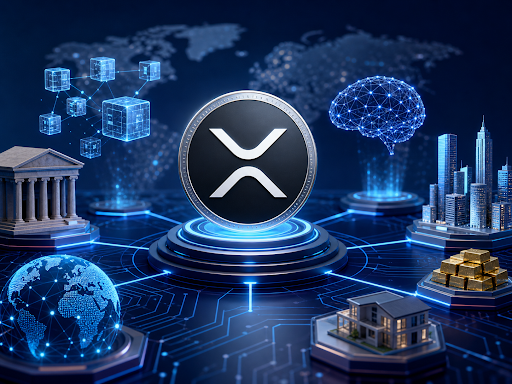
Tokenization involves representing real-world assets such as:
- Real estate
- Commodities
- Financial securities
- Digital collectibles
on a blockchain.
The XRP Ledger’s low fees and fast transaction speeds make it well suited for tokenizing assets and facilitating global transfers.
This has attracted interest from startups exploring new financial infrastructure solutions.
Expanding DeFi Potential
While the XRP Ledger historically focused on payments, developers are increasingly exploring DeFi applications on the network.
Potential DeFi use cases include:
- Decentralized exchanges
- Liquidity pools
- Lending and borrowing platforms
- Tokenized financial products
As DeFi continues to evolve, XRPL could become a platform where developers experiment with efficient financial protocols designed for real-world use.
The Role of the XRP Ecosystem
The broader Ripple ecosystem continues to play a role in driving attention toward the XRP Ledger.
Ripple has spent years building partnerships with financial institutions and payment providers around the world. While Ripple operates independently from XRPL’s decentralized network, the broader ecosystem has helped maintain visibility for the technology.
As more developers explore the XRP Ledger, the ecosystem could evolve into a more diverse platform supporting both institutional and decentralized applications.
Competition Among Blockchain Platforms
The blockchain development landscape is highly competitive. Networks such as Ethereum, Solana, Avalanche, and others are constantly attracting new developers and projects.
For XRPL, increased developer activity signals that the network remains relevant in this evolving environment.
Blockchain ecosystems that succeed in attracting builders often benefit from:
- Increased network usage
- Greater liquidity
- Expanded real-world applications
- Higher long-term adoption
Developer growth can therefore serve as an important indicator of a blockchain’s future potential.
Why Developer Activity Matters for XRP
The success of any blockchain ecosystem often depends on its developer community.
When developers build applications on a network, they create services that attract users, investors, and businesses.
For XRP, this means that new XRPL projects could eventually lead to:
- Higher transaction activity
- Expanded use cases for the token
- Greater integration with financial systems
- Increased adoption of blockchain technology
While price speculation often dominates crypto headlines, real technological development is often the strongest driver of long-term value.
The Future of the XRP Ledger
As the cryptocurrency industry continues to mature, blockchains that offer practical solutions for global finance are likely to play an increasingly important role.
The XRP Ledger’s focus on speed, low fees, and financial infrastructure positions it uniquely within the broader blockchain ecosystem.
If developer activity continues to grow and new projects gain traction, XRPL could become a more dynamic platform supporting a wide range of applications beyond payments.
Final Thoughts
The emergence of new XRP Ledger projects highlights growing developer interest in the network and signals potential expansion for the broader ecosystem.
While blockchain competition remains intense, the XRP Ledger’s technological advantages and financial use cases could help attract developers looking to build efficient blockchain solutions.
As innovation continues across the crypto industry, the evolution of the XRPL ecosystem will be an important development to watch in the coming years.