The XRP Ledger (XRPL) has long been known for powering fast and efficient digital payments. But over the past few years, the blockchain has evolved far beyond its original use case. Today, the XRPL ecosystem is experiencing a wave of innovation, with new projects launching across decentralized finance (DeFi), tokenization, Web3 applications, and developer tools.
As blockchain adoption expands globally, developers are increasingly turning to XRPL’s efficient infrastructure to build new platforms and services. With low transaction fees, fast settlement times, and a growing developer community, the network is becoming an attractive destination for emerging blockchain startups.
For investors and technology enthusiasts, the rapid growth of the XRPL ecosystem highlights a broader trend: the XRP Ledger is transforming into a multi-purpose blockchain platform.
What Is Driving the Growth of the XRPL Ecosystem?
Several factors are contributing to the recent surge in development across the XRP Ledger.
Fast and Efficient Transactions
One of XRPL’s biggest advantages is its speed. The network can settle transactions in just a few seconds, making it one of the fastest blockchains available.
This performance is especially valuable for applications that require high transaction throughput, such as financial services and digital asset exchanges.
Low Transaction Costs
XRPL transactions typically cost only a fraction of a cent. These low fees make the network accessible for developers building consumer applications and financial platforms.
For projects seeking scalability without high operational costs, this can be a major advantage.
Growing Developer Interest
The developer community around XRPL has been steadily expanding. As new tools and infrastructure become available, more developers are exploring the network as a platform for launching decentralized applications.
This increase in developer participation is fueling the ecosystem’s growth.
New XRPL Projects Leading the Charge
Several new projects are helping shape the next phase of the XRP Ledger ecosystem. While the landscape continues to evolve, many initiatives are focused on expanding the network’s capabilities beyond payments.
DeFi Platforms on XRPL
Decentralized finance has become one of the fastest-growing areas of blockchain technology. New DeFi platforms built on XRPL aim to provide services such as decentralized trading, lending, and liquidity pools.
These applications could significantly expand the utility of the network.
Tokenization Platforms
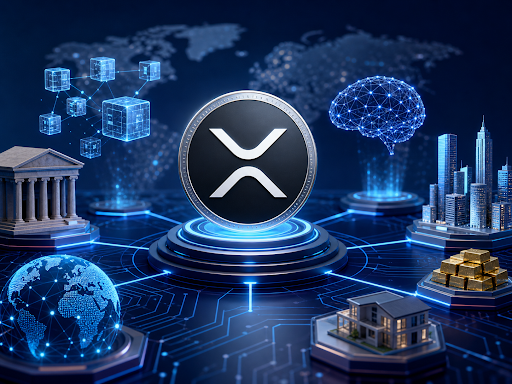
Tokenization is another rapidly growing sector within the XRPL ecosystem. Projects are exploring ways to represent real-world assets—such as real estate, commodities, and financial instruments—on the blockchain.
Tokenized assets could help improve transparency and efficiency in traditional financial markets.
Web3 Infrastructure
Developers are also building Web3 tools designed to support decentralized applications on XRPL. These projects include developer frameworks, digital identity solutions, and infrastructure for blockchain-based applications.
As Web3 adoption increases, these tools could play a key role in expanding the XRPL developer ecosystem.
Why Developers Are Choosing XRPL
The XRP Ledger offers several advantages that make it appealing for blockchain developers.
Scalability
XRPL’s architecture allows it to process a large number of transactions efficiently. This scalability is important for applications that aim to serve global user bases.
Reliability
The network has been operating for more than a decade and has established a reputation for stability.
Global Payment Infrastructure
XRPL’s origins in cross-border payments provide a strong foundation for financial applications and digital asset services.
These features make the blockchain attractive for startups seeking reliable infrastructure.
The Expanding Role of XRPL in Web3
The growth of new projects on XRPL reflects a broader shift in the blockchain industry. Networks that were once focused on specific use cases are now evolving into full ecosystems capable of supporting multiple sectors.
For XRPL, this transformation is happening through the emergence of decentralized finance platforms, tokenization services, and Web3 infrastructure projects.
As these initiatives continue to develop, the XRP Ledger could play a larger role in the global blockchain landscape.
What This Means for the Future of the XRP Ecosystem
The increasing number of projects launching on XRPL suggests that the network’s role in the blockchain industry may continue to expand.
A growing ecosystem can lead to several long-term benefits:
- Increased developer activity
- Greater user adoption
- Expanded use cases for the XRP Ledger
- More innovation within the Web3 space
If these trends continue, XRPL could become one of the key platforms supporting the next generation of decentralized applications.
Final Thoughts
The rapid growth of the XRPL ecosystem demonstrates how the XRP Ledger is evolving beyond its original role as a payments-focused blockchain.
With new projects emerging across DeFi, tokenization, and Web3 infrastructure, developers are finding new ways to leverage the network’s speed, efficiency, and scalability.
While the ecosystem is still developing, the momentum behind XRPL innovation suggests that the network may play an increasingly important role in the future of blockchain technology.
For anyone following the evolution of Web3, the expansion of the XRP Ledger ecosystem is a trend worth watching closely.