The XRP Ledger has long been known for fast transactions, low fees, and built-in decentralized exchange features. Now, with the introduction of the Multi-Purpose Token (MPT) standard, the network is entering a new phase of flexibility and innovation.
So how is the new MPT standard changing token creation on the XRP Ledger? This article explains what MPT is, why it was introduced, and how it could reshape the XRPL token ecosystem in a clear, beginner-friendly way.
What Is the XRP Ledger and Why Token Standards Matter
The XRP Ledger is a decentralized blockchain designed for efficient value transfer. Unlike many networks that rely heavily on smart contracts, XRPL uses native features to handle payments, trading, and token issuance.
Token standards matter because they define how assets are created, managed, and used on a blockchain. A more flexible standard allows developers to build a wider range of real-world applications without adding unnecessary complexity.
What Is the MPT Standard on XRPL?
The Multi-Purpose Token standard is a new framework for issuing tokens directly on the XRP Ledger. It is designed to support a broad range of token types using a single, flexible structure.
Instead of creating separate systems for each token category, MPT allows issuers to define how a token behaves at the protocol level. This makes token creation more efficient and easier to customize for different use cases.
Why the MPT Standard Was Introduced
As blockchain adoption grows, token use cases have expanded beyond simple transfers. Developers now need to represent stablecoins, real-world assets, loyalty points, access rights, and more.
The MPT standard was introduced to:
- Simplify token issuance on XRPL
- Support more complex asset types
- Reduce reliance on external smart contracts
- Enable enterprise and institutional use cases
This approach aligns with XRPL’s design philosophy of efficiency and simplicity.
How MPT Changes Token Creation on the XRP Ledger
The introduction of MPT significantly improves how tokens are created and managed on XRPL.
Greater Flexibility
With MPT, tokens can be configured to serve multiple purposes. This means one standard can support utility tokens, asset-backed tokens, or other specialized digital assets.
Native Ledger Support
MPT tokens are handled directly by the XRP Ledger, benefiting from its speed, low fees, and built-in security without requiring additional layers.
Cleaner Development Process
Developers can issue tokens using standardized rules, reducing complexity and making applications easier to maintain and audit.
Use Cases Enabled by the MPT Standard
The MPT standard opens the door to a wide range of practical applications on the XRP Ledger.
Potential use cases include:
- Stablecoins and fiat-backed tokens
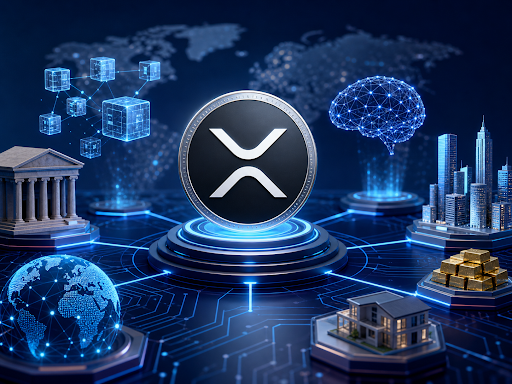
- Tokenized real-world assets such as commodities or securities
- Loyalty and reward points
- Access and membership tokens
- Settlement and liquidity instruments
This versatility makes XRPL more attractive to both developers and enterprises.
What This Means for Developers
For developers, the MPT standard lowers the barrier to building token-based applications on XRPL. With fewer workarounds and more native functionality, teams can focus on product design rather than infrastructure challenges.
This could lead to faster development cycles, better security practices, and a more consistent user experience across XRPL-based applications.
Impact on the XRP Ledger Ecosystem
The introduction of MPT strengthens the XRP Ledger’s position as a platform for real-world financial and enterprise use cases. By enabling richer token functionality at the protocol level, XRPL can support a broader ecosystem without sacrificing performance.
As more projects adopt the MPT standard, overall network utility and activity are likely to increase.
Things to Watch Going Forward
While the MPT standard is a major step forward, its long-term impact will depend on adoption. Key factors to monitor include:
- Developer uptake of the new standard
- Real-world projects launching MPT-based tokens
- Integration with wallets and exchanges
These elements will shape how quickly MPT becomes a core part of the XRPL ecosystem.
Final Thoughts
The new MPT standard represents an important evolution for the XRP Ledger. By making token creation more flexible, efficient, and native to the protocol, MPT expands what developers and enterprises can build on XRPL.
As adoption grows, the MPT standard could play a central role in bringing more real-world assets and applications to the XRP Ledger, reinforcing its relevance in the broader blockchain landscape.