Skip to content
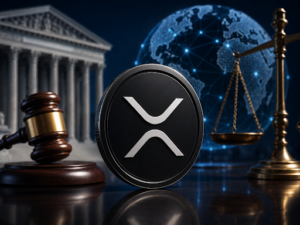
For years, one of the biggest question marks surrounding XRP wasn’t technology or adoption — it was regulation. Now, as the landscape begins to shift and clarity improves, XRP is finding itself in a much stronger position.
This change isn’t just technical or legal. It’s shaping how investors, institutions, and the broader market view XRP going forward.
So, what does regulatory clarity actually mean for XRP — and why does it matter right now?
Why Regulation Has Always Been a Big Deal for XRP
Unlike many cryptocurrencies that operate more independently, XRP has always been closely tied to Ripple — a company actively working with financial institutions.
That connection brought both opportunity and scrutiny.
Uncertainty around regulation created:
- Hesitation among institutional investors
- Limited access on certain exchanges
- Ongoing debate about XRP’s classification
In simple terms, even strong fundamentals were often overshadowed by legal concerns.
What’s Changing Now
The shift toward clearer regulatory frameworks is beginning to remove that uncertainty.
While the situation continues to evolve globally, recent developments suggest:
- More defined guidelines for digital assets
- Improved transparency around compliance
- Greater distinction between different types of cryptocurrencies
This doesn’t mean regulation is disappearing — it means it’s becoming more predictable.
And in financial markets, predictability is powerful.
Why This Boosts XRP’s Position
1. Increased Institutional Confidence
Institutions tend to avoid uncertainty. With clearer rules, XRP becomes a more viable option for:
- Banks
- Payment providers
- Investment firms
As confidence grows, so does the likelihood of increased participation.
- Broader Exchange Accessibility
Regulatory clarity can lead to:
- Relisting on major platforms
- Expanded trading options
- Increased liquidity
More accessibility often translates into stronger market activity.
- Stronger Adoption Potential
Ripple’s goal has always been to improve cross-border payments. With fewer regulatory barriers, its solutions can scale more easily.
This could accelerate:
- Global partnerships
- Real-world use cases
- Integration into financial systems
And since XRP plays a role in that ecosystem, adoption could directly impact demand.
How the Market Is Reacting
Market sentiment often shifts quickly when uncertainty fades.
We’re beginning to see:
- Renewed investor interest
- Increased trading volume
- More positive outlook across XRP discussions
While price movements can fluctuate, the underlying sentiment is becoming more constructive.
Does This Guarantee Price Growth?
Not necessarily — and it’s important to stay realistic.
Regulatory clarity is a major positive factor, but XRP’s price will still depend on:
- Overall crypto market conditions
- Continued adoption and usage
- Macroeconomic trends
That said, removing a major barrier gives XRP a clearer path forward.
The Bigger Picture for XRP
This moment could represent a turning point.
Instead of being defined by uncertainty, XRP is starting to be evaluated based on:
- Its technology
- Its utility
- Its real-world applications
That’s a significant shift — and one that could shape its long-term trajectory.
What Investors Should Watch Next
If you’re following XRP, here are a few things worth keeping an eye on:
- New institutional partnerships
- Expansion of Ripple’s payment network
- Updates on global crypto regulations
- Growth in XRP Ledger activity
These factors will help determine whether momentum continues.
Final Thoughts
Regulatory clarity doesn’t guarantee instant gains — but it removes one of the biggest obstacles XRP has faced for years.
With uncertainty fading and confidence slowly returning, XRP is entering a new phase — one where fundamentals and adoption can take center stage.
And in a market driven by both innovation and trust, that could make all the difference.