Skip to content
With thousands of cryptocurrencies in existence, it’s fair to ask what truly sets one apart from another. XRP has remained a prominent digital asset for years, not because of hype cycles, but because of its unique design and focus on real-world financial use cases.
This guide explores what makes XRP different, how the XRP ecosystem works, and why it continues to be relevant in the evolving digital finance landscape.
What Is XRP?
XRP is a digital asset designed for fast, low-cost value transfer. It operates on the XRP Ledger (XRPL), a decentralized blockchain built to move value efficiently across borders.
Unlike many cryptocurrencies that prioritize smart contracts or store-of-value narratives, XRP’s primary purpose is payments and settlement.
The XRP Ledger Explained
The XRP Ledger is the backbone of the XRP ecosystem. It differs from many blockchains in a few key ways:
- Transactions settle in seconds
- Fees are extremely low
- The network uses a consensus mechanism instead of mining
- Energy usage is minimal compared to proof-of-work systems
These features make XRPL particularly suitable for high-speed financial transactions.
No Mining, No Waiting
One of the biggest differences between XRP and many other cryptocurrencies is that XRP is not mined. All XRP tokens were created at launch.
This design allows the network to:
- Avoid energy-intensive mining
- Maintain consistent transaction speed
- Reduce congestion during high activity
As a result, XRP transactions remain fast even during periods of increased usage.
Focus on Cross-Border Payments
XRP was built with a clear use case in mind: cross-border value transfer.
Traditional international payments can take days and involve multiple intermediaries. XRP enables near-instant settlement, allowing value to move directly between parties without relying on slow correspondent banking networks.
This focus gives XRP a practical role rather than a purely speculative one.
More Than Just Payments
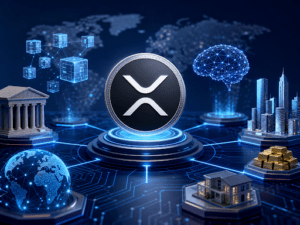
While payments remain central, the XRP ecosystem has expanded beyond that original use case. The XRP Ledger now supports:
- Token issuance
- Decentralized exchange (DEX) functionality
- NFTs and digital collectibles
- Asset tokenization
This flexibility allows developers to build a wide range of applications on XRPL.
Built-In Decentralized Exchange
Unlike many blockchains that rely on external smart contracts for trading, XRPL includes a native decentralized exchange at the protocol level.
This allows users to:
- Trade issued tokens directly on the ledger
- Access liquidity without complex contracts
- Maintain transparency and efficiency
It’s a feature that often goes overlooked but adds real utility to the ecosystem.
Low Fees and Predictable Costs
Transaction fees on the XRP Ledger are intentionally low and designed to prevent spam rather than generate revenue.
This makes XRP appealing for:
- Micropayments
- High-frequency transactions
- Enterprise-level payment solutions
Predictable costs are especially important for real-world financial use cases.
How XRP Differs From Other Cryptocurrencies
XRP stands apart because it:
- Prioritizes speed and efficiency over programmability
- Uses consensus instead of mining
- Focuses on payments rather than general-purpose smart contracts
- Emphasizes real-world financial integration
These choices shape a very different ecosystem compared to many other blockchains.
Challenges and Misconceptions
Like any technology, XRP faces challenges. Regulatory clarity, competition from other payment solutions, and public misconceptions have influenced its perception.
However, continued development of the XRP Ledger shows that the ecosystem is evolving beyond early narratives.
Final Thoughts
What makes XRP different isn’t just one feature—it’s the combination of speed, efficiency, and real-world focus. The XRP ecosystem is built to move value quickly and reliably, making it distinct in a crowded crypto market.
As digital finance continues to evolve, XRP’s specialized approach may prove valuable for use cases that demand performance over complexity.