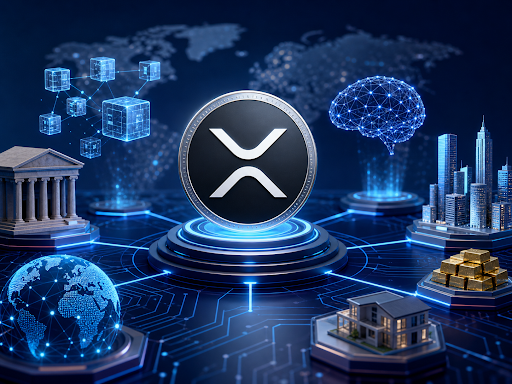
The XRP Ledger (XRPL) has entered a new chapter.
With its latest upgrade now live, the network is positioning itself for accelerated growth, stronger developer participation, and broader real-world adoption. For investors, builders, and blockchain enthusiasts alike, this update represents more than just technical improvements — it signals the next phase of the XRP ecosystem’s evolution.
What the Latest XRP Ledger Upgrade Brings
The XRP Ledger has long been known for its speed, low transaction costs, and energy efficiency. However, as blockchain adoption expands globally, networks must evolve to remain competitive.
The newest XRPL upgrade introduces enhancements aimed at:
- Improving scalability and transaction throughput
- Strengthening network security
- Expanding smart contract capabilities
- Supporting more advanced decentralized applications (dApps)
- Enhancing validator performance and reliability
These improvements create a stronger foundation for developers and institutions exploring blockchain-based financial infrastructure.
Why This Upgrade Is Important for the XRPL Ecosystem
Every major blockchain network eventually reaches an inflection point — a moment when infrastructure upgrades unlock new levels of adoption. For XRP Ledger, this appears to be one of those moments.
1. Enhanced Scalability
As demand for tokenization, cross-border payments, and decentralized finance (DeFi) solutions increases, scalability becomes critical. The latest XRP blockchain update optimizes performance under higher transaction loads, making it more attractive for enterprise-grade applications.
For businesses evaluating blockchain integration, network reliability is non-negotiable. This upgrade strengthens XRPL’s case as a serious contender in global finance.
- Improved Developer Environment
A thriving ecosystem depends on developers. By enhancing programmability and expanding smart contract functionality, XRPL lowers barriers for innovation.
More flexible development tools can lead to:
- New DeFi platforms
- NFT marketplaces
- Tokenized asset ecosystems
- Cross-chain interoperability solutions
The easier it becomes to build on XRPL, the faster the ecosystem can grow organically.
- Institutional Confidence
Institutional players prioritize security, compliance readiness, and network stability. Upgrades that enhance validator coordination and strengthen governance mechanisms send a clear signal: the XRP Ledger is maturing.
As regulatory clarity improves globally, enterprise adoption often follows networks that demonstrate long-term sustainability and technical robustness.
XRP Ledger and the Broader Crypto Landscape
Competition in the blockchain space is intense. Ethereum continues to expand its smart contract dominance, while newer networks emphasize speed and scalability.
The XRP Ledger differentiates itself through:
- Fast settlement times (typically 3–5 seconds)
- Extremely low transaction costs
- Energy-efficient consensus mechanism
- Built-in decentralized exchange (DEX) functionality
With the latest upgrade, XRPL strengthens its competitive positioning — particularly in payments, tokenization, and real-world asset integration.
While network upgrades don’t automatically translate into price movements, they often influence long-term ecosystem value.
Historically, strong infrastructure improvements can lead to:
- Increased developer activity
- Greater transaction volume
- Higher network utility
- Expanded real-world partnerships
Utility-driven growth tends to be more sustainable than hype cycles. For long-term participants in the XRP ecosystem, this upgrade reinforces confidence in the ledger’s roadmap.
The Role of Smart Contracts in XRPL’s Growth
One of the most discussed aspects of the XRP Ledger upgrade is the expansion of smart contract functionality.
Smart contracts enable automated, trustless execution of agreements — a cornerstone of modern decentralized finance. As XRPL enhances programmability, it opens doors to:
- Lending protocols
- Automated market makers
- Tokenized securities
- Payment streaming solutions
- Web3 financial applications
This evolution moves XRPL beyond payments infrastructure into a broader programmable finance ecosystem.
Community and Governance Momentum
Open-source blockchain networks thrive when community engagement remains strong. Validator participation, proposal discussions, and transparent governance all contribute to ecosystem health.
Recent activity surrounding the XRP Ledger upgrade demonstrates:
- Active developer contribution
- Community voting participation
- Long-term roadmap alignment
This type of engagement is often an early indicator of sustainable growth.
Looking Ahead: The Next Phase of XRPL Expansion
Blockchain adoption is shifting from speculation to utility. Governments are exploring tokenization. Financial institutions are testing digital settlement rails. Startups are building decentralized platforms.
The XRP Ledger upgrade aligns with this broader shift.
As scalability improves and smart contract capabilities expand, XRPL is positioning itself as infrastructure — not just an asset network.
Key areas to watch moving forward include:
- Enterprise blockchain integration
- Real-world asset tokenization
- Cross-border payment innovation
- Interoperability partnerships
- Growth in XRPL-based dApps
If development momentum continues, this upgrade could mark the beginning of a stronger, more diversified XRP ecosystem.
Final Thoughts
The latest XRP Ledger upgrade is more than a technical refresh — it represents strategic positioning for long-term growth.
By strengthening scalability, enhancing programmability, and reinforcing network security, XRPL is preparing for increased adoption across industries.
In an increasingly competitive blockchain landscape, infrastructure upgrades like this often separate networks that stagnate from those that expand.
For developers, institutions, and XRP community members, this signals something important:
The next phase of ecosystem growth may already be underway.